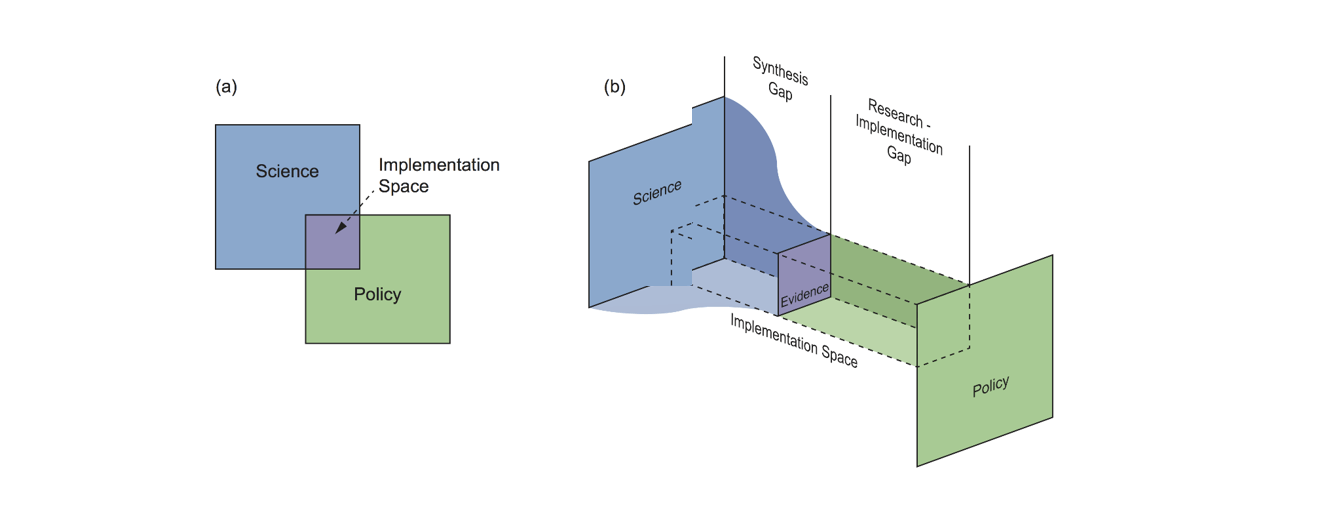
Our latest paper on using technology to enhance evidence syntheses is out today in Nature Ecology & Evolution, ‘Software support for environmental evidence synthesis’.
For research and evidence to be translated into policy and action, it first needs to be compiled and synthesised. This can involve reviewing tens of thousands of articles, a time consuming and often inefficient process.
This piece was led by Martin Westgate (Australian National University) and highlights the objectives of the Evidence Synthesis Technology Working Group – to promote and share information about tech to increase the efficiency of systematic reviews and mapping exercises.
To accelerate evidence-based synthesis, we are calling for:
- Better validation of software tools
- Rapid communication of novel methods
- Broader adoption of open science principles
- Testing the need for article census
- Improved article-level metadata.
For more on this theme – follow #CEE2018 or @EnvEvidence to keep track of updates at the Collaboration for Environmental Evidence conference taking place in Paris later this month.
Article citation: Westgate, M.J., Haddaway, N.R. , Cheng, S.H., McIntosh, E.J., Marshall, C. and Lindenmayer, D.B. (2018) Software support for environmental evidence synthesis. Nature Ecology & Evolution, 2: 588–590.
 Dr Emma J McIntosh